
HDPE Shade Cloth: What It Is and Why It's Used for Shade, Netting, and Cover
Updated: Aug 10
High-density polyethylene, or HDPE, shows up across a surprising range of agricultural and industrial products — shade cloth, insect netting, privacy screening, ground cover. If you've been asked to spec "HDPE fabric" and want to understand what that actually means before you order, here's the breakdown.
What Is HDPE Fabric?
HDPE is a thermoplastic polymer known for: a strong strength-to-weight ratio , the best inherent resistance to UV among common industrial fabrics, excellent resistance to moisture and most chemicals (aromatic hydrocarbons and certain surfactants are notable exceptions). Outdoor-grade HDPE fabric is typically compounded with UV stabilizers to further extend its service life. In fabric form, HDPE is typically extruded into either a monofilament yarn (a single continuous strand) or a tape yarn, then constructed into fabric in one of two ways: knitting or weaving.
That construction choice matters more than most buyers expect.
Knitted HDPE vs. Woven HDPE
Knitted HDPE fabric is built with a lock-stitch pattern, where the yarns loop through one another rather than crossing at fixed right angles. The practical benefit: if the fabric is torn or punctured, the lock-stitch construction keeps the damage from spreading — the tear stays localized instead of unraveling across the panel.
Woven HDPE fabric uses a more traditional over-under weave. Usually lighter in weight than comparable woven polypropylene while still holding up to tension and site handling, which is part of why it's often used as a lighter-weight alternative in shade and screening applications where weight matters — pulley-operated shadehouse systems, for example.
Neither construction is universally "better" — the right choice depends on the application:
Choose knitted HDPE when tear resistance and burst puncture strength are critical: shade cloth hung in likely storm areas in which airborne debris is likely (or baseballs 😊); truck tarp fabric when both strength, air flow to cargo and give for easy install are desired
Choose woven HDPE when you need a lighter-weight fabric that still performs like a heavier woven material including ability to hold shape over time— often the case in structures where reducing load on a frame is helpful or pulley system is in use matters. Also, very commonly used at construction sites where high airflow are needed in a light weight strong fabric.
Common Applications
HDPE fabric shows up across a wide range of uses:
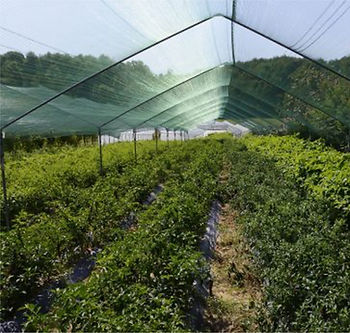
Shade cloth for nurseries, greenhouses, and hoop houses, typically available across a range of shade factors (commonly 15%–80%+) depending on crop and climate needs
Insect and bird netting for crop protection
Privacy and windscreen panels around construction sites, ballparks, schools, homes even… often attached directly to chain link fencing
Specialty colored knits, including red/blue light-blend fabrics designed to influence crop color, flavor, and nutritional development


What to Check Before You Order
A few specs are worth confirming regardless of which construction you choose:
Shade factor: the percentage of light blocked, which needs to match your crop or application, not just "more is better"
Strength: Knits are measured in tear strength or burst/puncture. Woven fabrics strength are measured in those and in tensile strength
UV warranty: look for a stated multi-year UV degradation warranty backed by the manufacturer, not just general marketing language. Feel free to ask what type of UV weathering test was done.
Yarn type: Some HDPE Knits are monofilament only, some are monofilament in one direction and tape in the other. Woven HDPE is usually monofilament in one direction with tape in the other.
Where to Go Next
Acadian's knitted HDPE shade fabric is available in a range of shade factors and widths for nurseries, growers, and agricultural operations. For lighter-weight screening and shade applications, our woven HDPE fabric offers an alternative construction at a lower price point. You can browse the full range on our fabrics page.
Not sure which HDPE construction fits your application? Request a sourcing consultation
Comments