
How Geotextiles for Flood Control Help Farms Recover from Flooding
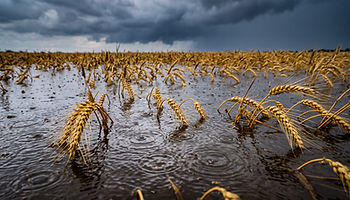
In the last few weeks, Texas and other areas have seen large amounts of rainfall leading to severe flooding in some regions. Beyond the impact on residential areas, the Texas Agriculture Commissioner declared an agricultural emergency in response to the flooding and devastation across affected counties.
According to the Texas Department of Agriculture, floodwaters have reached major flood stage, inundating cropland, pastureland, roads, bridges, and agricultural infrastructure while threatening livestock and agricultural operations throughout the floodplain, leaving producers with damaged crops, washed-out fences, submerged grazing land, and disrupted transportation routes.
Local farms are now facing the dual challenge of keeping livestock safe and fed while assessing which crops can be replaced in season. Recovery takes more than replanting — it takes replacing fences and structures, grading and tilling the ground once it dries, and rebuilding the infrastructure that keeps an operation running.
How Geotextiles and Ground Cover Can Help
Whether a property is bracing for the next storm or already knee-deep in the rebuild, geotextiles and ground cover fabrics are some of the most practical, budget-friendly tools an operation can add to its flood strategy.
Before the Water Rises
Woven erosion control fabric along ditches, pond banks, and low-lying field edges slows runoff and traps sediment before it can wash out topsoil, crops, or roadways (EPA: Geotextiles, Matting and Netting).
Turf reinforcement mats and erosion control blankets on levees, terraces, and sloped pasture help hold soil and vegetation in place ahead of heavy rain events, reducing how much ground washes away in the first place (Geosynthetics Society: Agricultural & Aquacultural Applications).
Reinforced woven fabric and geomembrane liners can be used to build or reinforce temporary berms and levees around equipment yards, feed storage, and grazing land — giving producers extra time and protection when a flood watch turns into a flood warning.
After the Water Recedes
Woven geotextile fabric placed beneath new fence lines, farm roads, and equipment pads acts as a separation and stabilization layer, so the same washed-out sections don't just erode again with the next rain.
Nonwoven geotextiles support drainage and filtration during re-grading and tilling, helping fields drain properly instead of staying saturated and unusable.
Erosion control matting re-stabilizes washed-out slopes and pastureland once the ground dries, giving reseeded grass and cover crops a fighting chance to take root before the next storm.
Heavy-duty tarps and ground cover protect feed, fencing materials, and equipment staged on-site during the rebuild from sun, rain, and debris.
Geomembrane liners are a practical option when ponds, containment areas, or livestock lagoons need to be rebuilt or resealed.
None of this replaces the seeds, fencing, and structures producers still need to replace — but pairing that rebuild with the right fabric underneath and around it can mean the difference between a one-time repair and a repeat washout next storm season.


geotextile covering ground 

As always, Acadian is here to help those affected and can provide guidance on any fabric needs that may support both interim solutions and the longer-term rebuild process — including sourcing the right geotextiles, ground cover, and geomembrane materials for prevention and recovery alike.
Need help sourcing geotextiles or erosion control fabric for your operation? Contact Acadian's team for guidance on the right materials for your recovery timeline.
Comments